Living Heritage of the Portuguese School of Equestrian Art

For over 25 years, Nuno Cavaco rode in the scarlet jacket of the Portuguese School of Equestrian Art (EPAE), one of the world’s most prestigious guardians of classical horsemanship.

His years in the School were more than training; they were a way of life, shaping values of harmony, respect, and discipline that remain at the foundation of his work today at Lusitano Heritage.

Early Beginnings

Nuno’s journey began at Campo Grande in Lisbon. As a young boy, he was captivated by the riders and horses he saw there and begged his father to let him take lessons. His first instruction came from a military officer who taught him the fundamentals of balance and discipline on the lunge. Nuno progressed quickly, riding both private and school horses, and even representing the school in dressage and show jumping competitions.

It was at Campo Grande that he first encountered the newly re-formed Portuguese School of Equestrian Art in 1979. Watching the School’s riders train left a lasting impression.

“When I was young I loved watching the masters in the Portuguese School of Equestrian Art. I would stay for hours. It was transformative — those memories are still so alive in my mind. Today, I still practice many of the methods I saw.”

Joining the Portuguese School of Equestrian Art
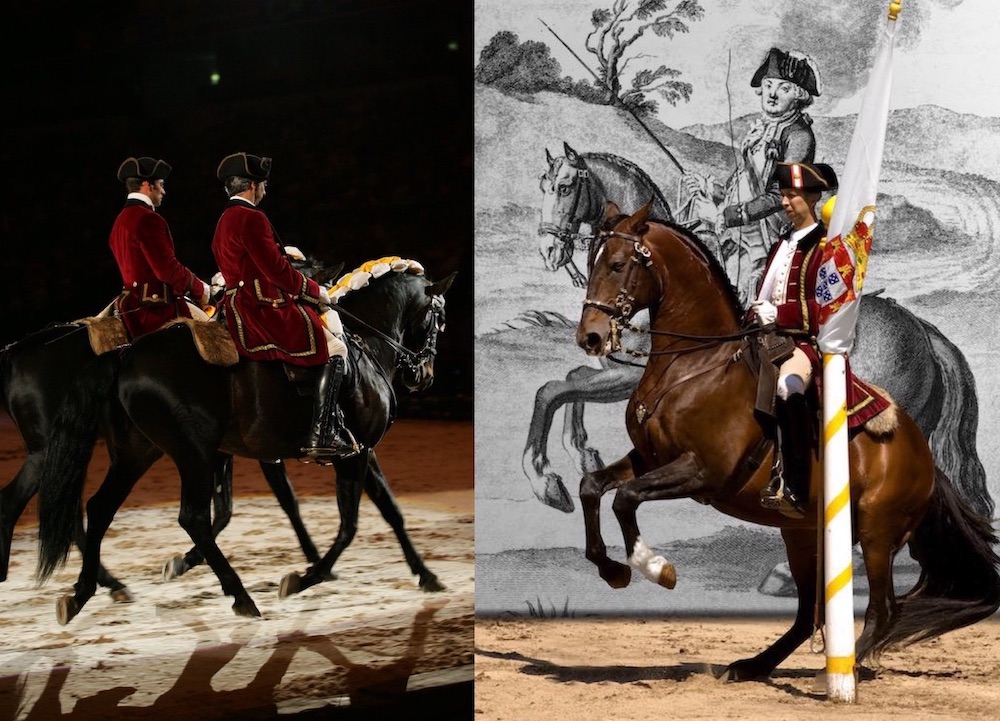
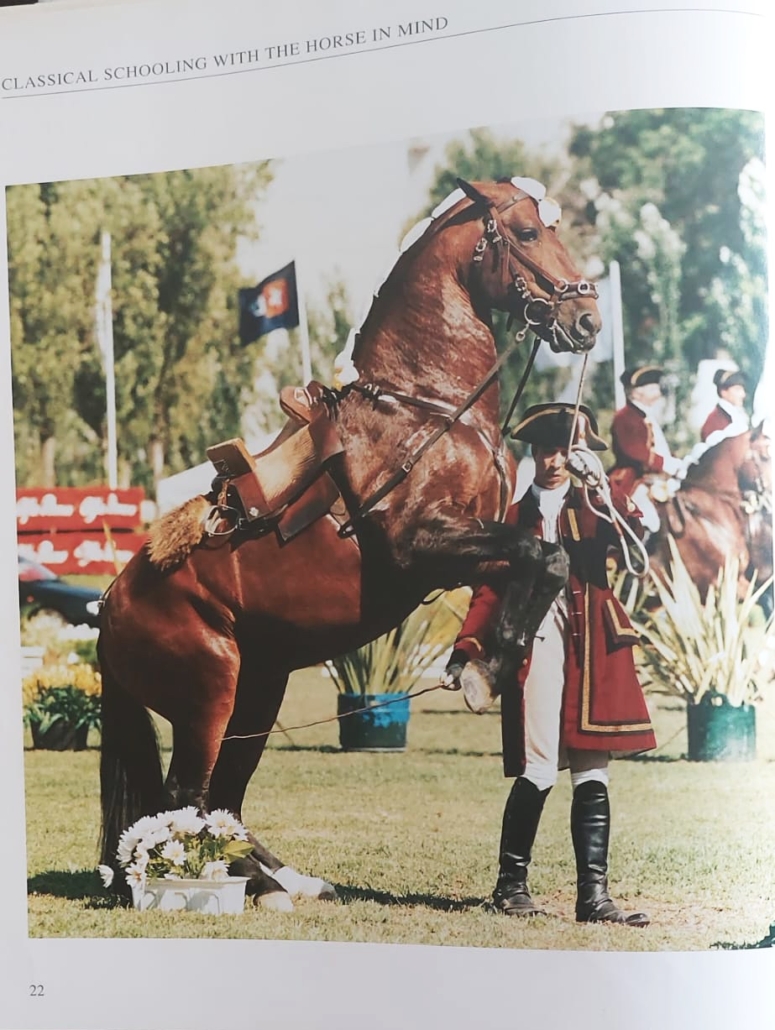
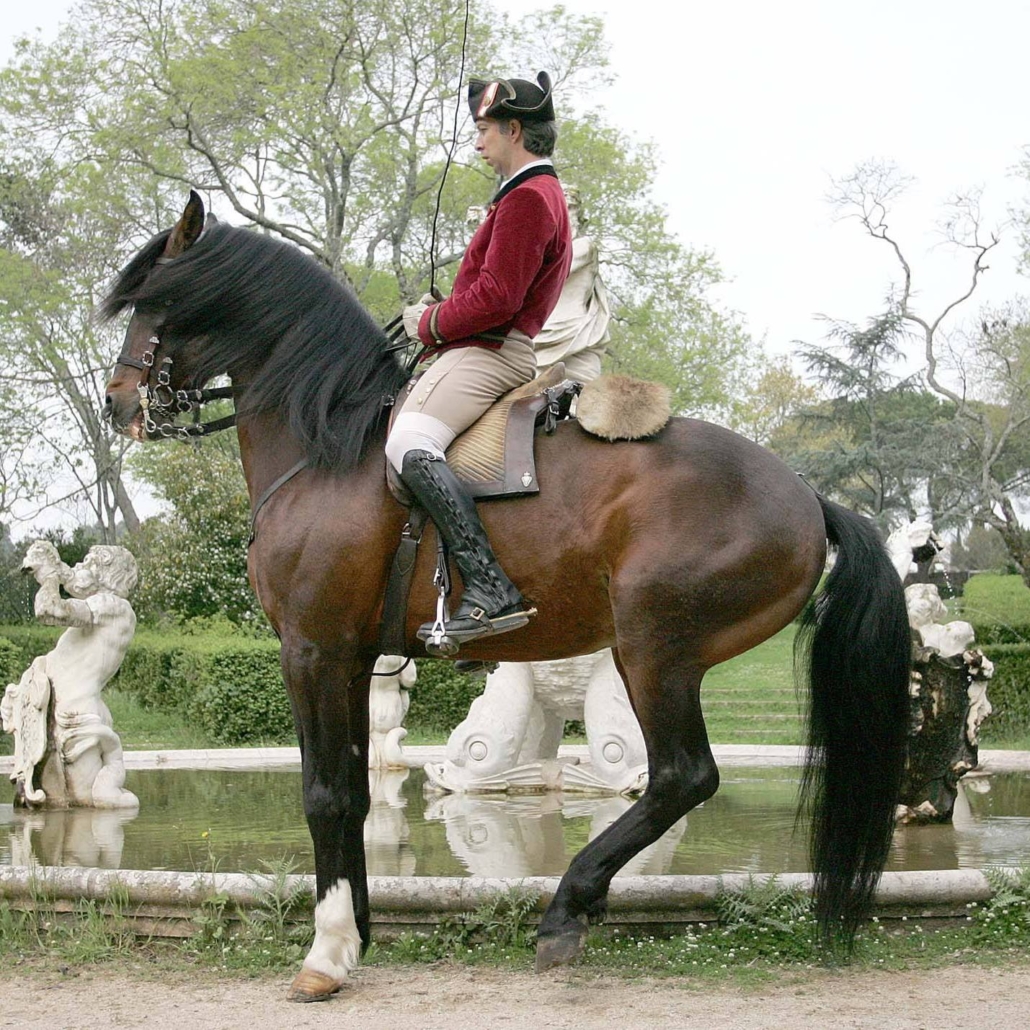
Images taken at the school in Lisbon

Although he initially began studies in veterinary medicine, Nuno’s passion for riding soon outweighed any other path. Encouraged by his teacher Francisco Bessa de Carvalho, and already connected to many of the School’s riders, Nuno applied when a place became available. To his father’s disappointment, he left veterinary school and entered the Portuguese School of Equestrian Art — a decision that would define his life.

Over the next 25 years, Nuno trained under some of Portugal’s most respected classical riding masters.

“I’ll never forget my teachers. Masters such as Dr. Guilherme Borba, D. José de Atayde, Dr. Filipe Graciosa, Mestre Luís Valença, António Borba Monteiro, Nuno Palma Santos and many others — they all gave me so much.  They were all students of Mestre Nuno Oliveira. But, through years of experience each one has developed different techniques to achieve results”

These decades of formation gave him not only technical mastery, but also a profound respect for the classical tradition and its heritage.

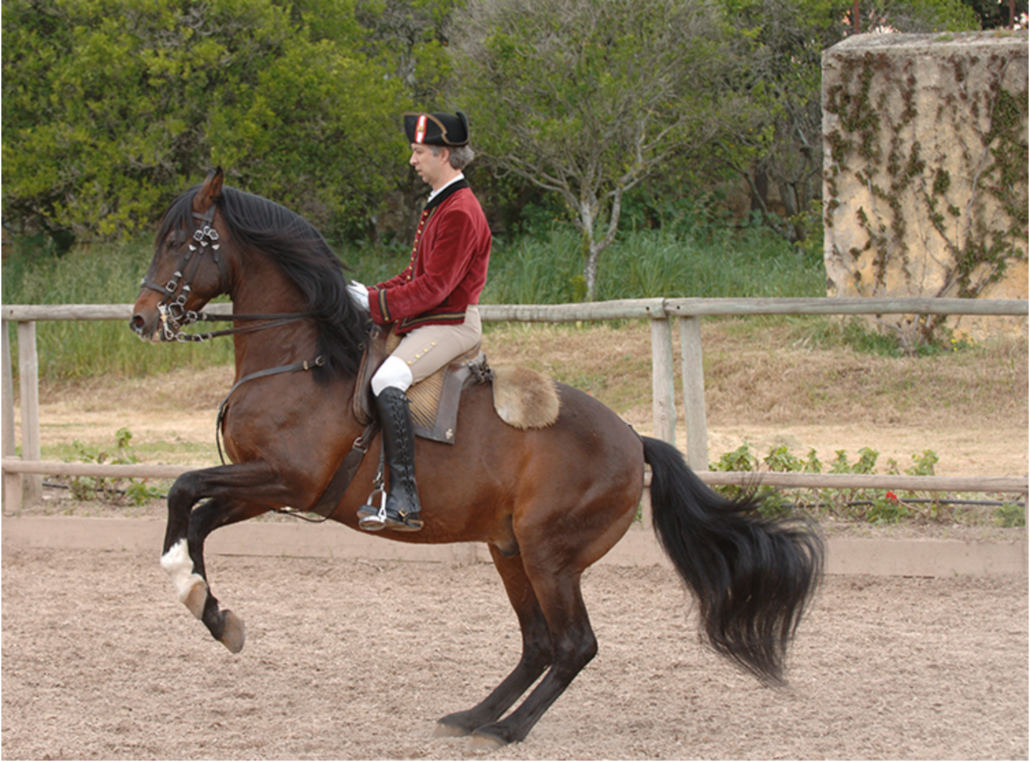
Image Nuno performing levade
Lessons from decades of Tradition

When Nuno began teaching, he discovered a new joy.

“When I began teaching others — horses and riders — I discovered deep fulfillment in seeing horse-and-human partnerships grow together.”

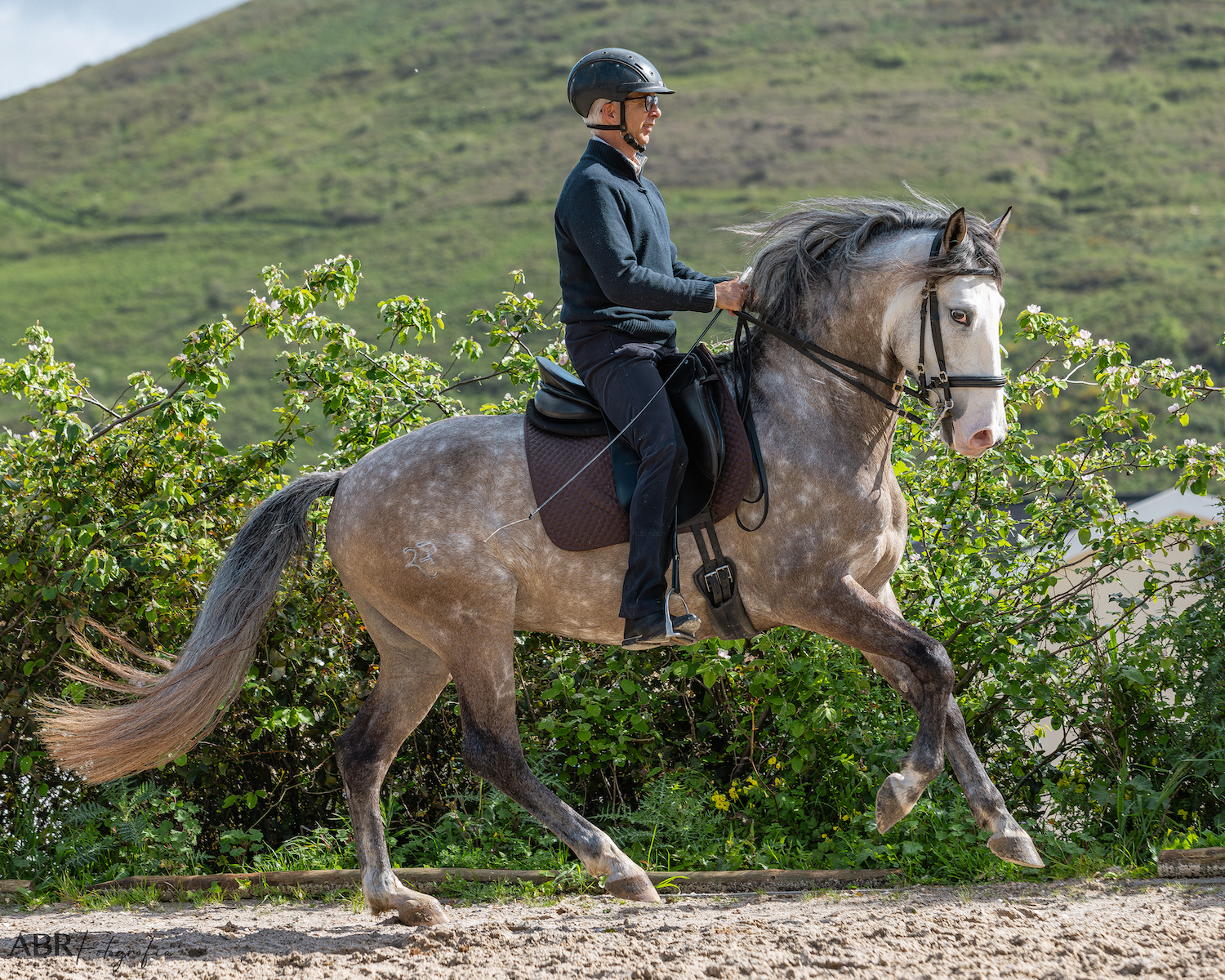
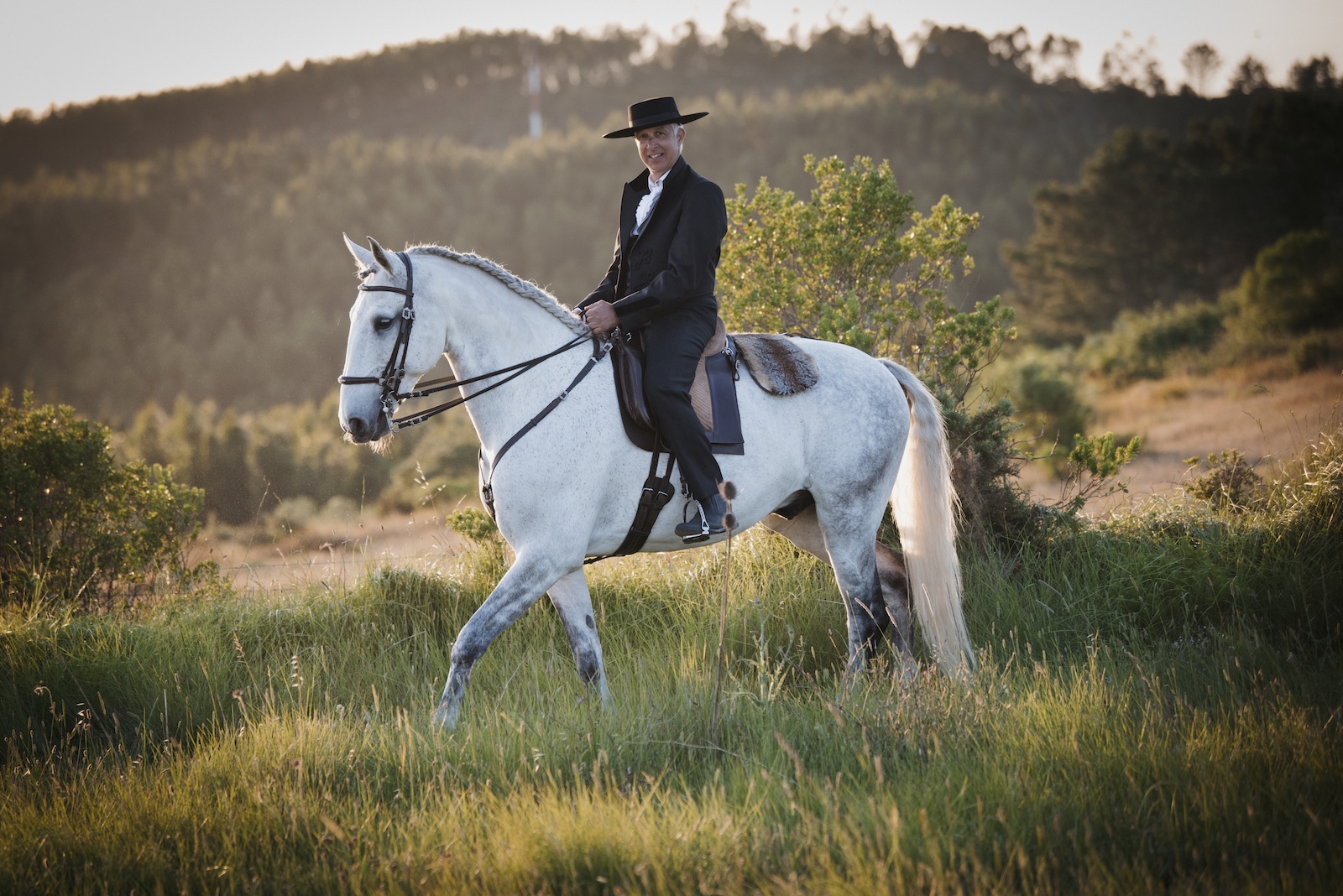
Today, as co-founder of Lusitano Heritage and director of Lusitano Horse Finder, Nuno brings the discipline and refinement of the School into a modern, international context. He trains horses in Portugal, gives lessons to riders of all levels, and offers clinics abroad, sharing with students the values and techniques shaped by decades in one of the world’s greatest equestrian traditions.

For Nuno, classical training is not just about the movements in the arena — it is about the whole relationship with the horse.

“I believe from the moment you pick up your horse from the paddock or stable to go to the grooming area, that is the moment when the partnership begins. Not only when riding. Grooming your horse is an excellent way to get to know each other better, build a bond, understand their bodies and discover any sensitivities.”

“The classical way of riding is my chosen path. However, I see good in all paths — it is simple really, it just takes kindness and understanding. Even though I competed as a young lad, I was never really comfortable in the competition environment, where everyone is against each other. I am not competitive.”

The Classical Way

Though he competed as a young rider, Nuno always felt more at home in the classical path than in the competitive arena.

This philosophy remains at the heart of his teaching today. For Nuno, classical riding is not about rivalry or spectacle, but about cultivating balance, harmony, and respect between horse and rider.

He also treasures memories of other unsung masters, such as Anton Walliser, whose quiet brilliance left a mark:

“I have a special memory of a one-day visit to Mestre Anton Walliser. He honoured me with the opportunity to ride his amazing horses. Seeing Anton work sent shivers through me. He is a quiet unsung master who has an extraordinary gift with horses.”


Performances and International Recognition

Life in the School brought opportunities to travel widely, representing Portugal in classical riding shows across the world. A highlight was being personally invited by Mestre Luís Valença to join Appassionata, where Nuno was one of two riders chosen to represent the EPAE in this internationally acclaimed production. These experiences reinforced the responsibility of carrying Portugal’s equestrian art onto the global stage.

From Tradition to Today

When Nuno began teaching, he discovered a new joy.

“When I began teaching others — horses and riders — I discovered deep fulfillment in seeing horse-and-human partnerships grow together.”

Today, as co-founder of Lusitano Heritage and director of Lusitano Horse Finder, Nuno brings the discipline and refinement of the School into a modern, international context. He trains horses in Portugal, gives lessons to riders of all levels, and offers clinics abroad, sharing with students the values and techniques shaped by decades in one of the world’s greatest equestrian traditions.

For Nuno, classical training is not just about the movements in the arena — it is about the whole relationship with the horse.

“I believe from the moment you pick up your horse from the paddock or stable to go to the grooming area, that is the moment when the partnership begins. Not only when riding.”

“Grooming your horse is an excellent way to get to know each other better, build a bond, understand their bodies and discover any sensitivities.”

For Nuno, classical training is not simply a career but a way of life — one that continues to evolve with every horse, every lesson, and every rider he meets.

“My journey is driven by passion, perseverance, and continuous observation of masters at work. It’s a journey without a destination, as every horse is a master too and each one has something to teach me.”

At Lusitano Heritage, this philosophy is alive.

Riders who train with Nuno step into a lineage that honors the past while embracing the present — where centuries of tradition flow into every lesson, every retreat, and every quiet moment of connection with the horse.


Book your Classical Dressage  Retreat in Portugal

You have different package options to choose from that will suit your riding and training requirements.

BOOK YOUR HOLIDAY

Text by Teresa Burton.  Check out other articles

Modern Images by Lena Saugen  www.lenasaugenphotography.com and ABR Fotos

Portuguese School of Equestrian Art photos supplied by Nuno Cavaco